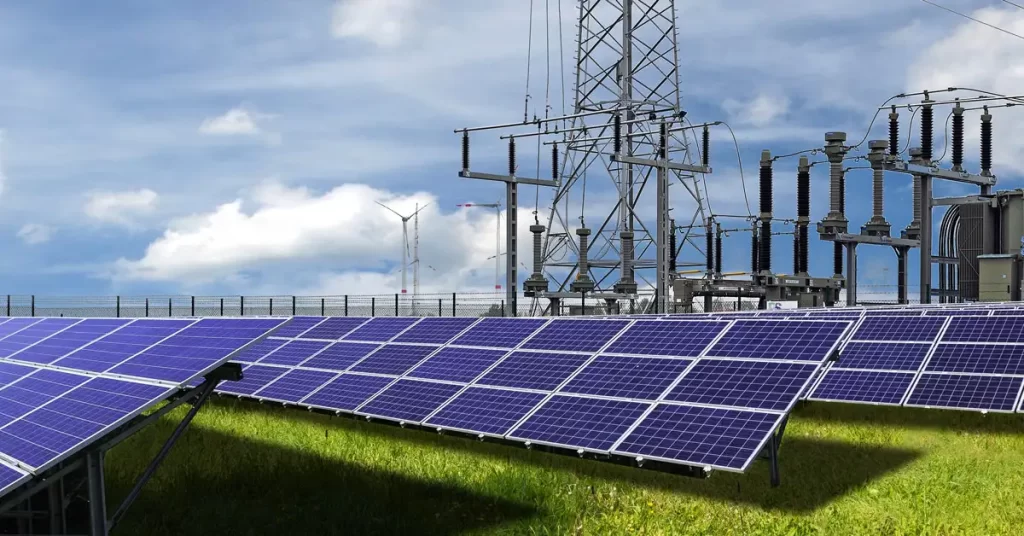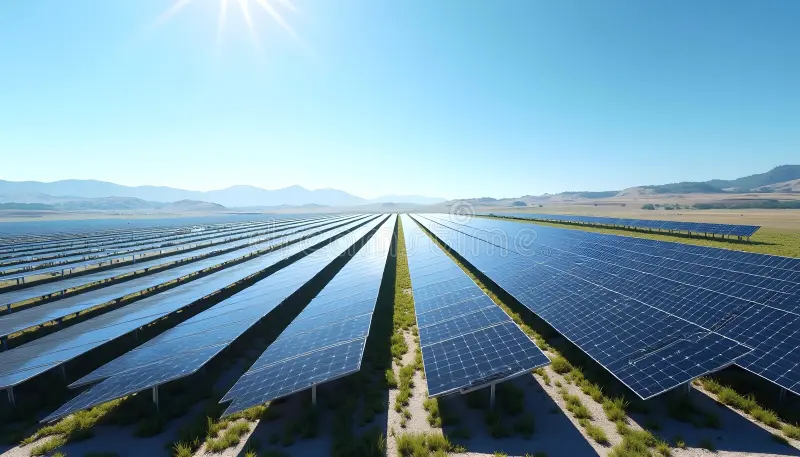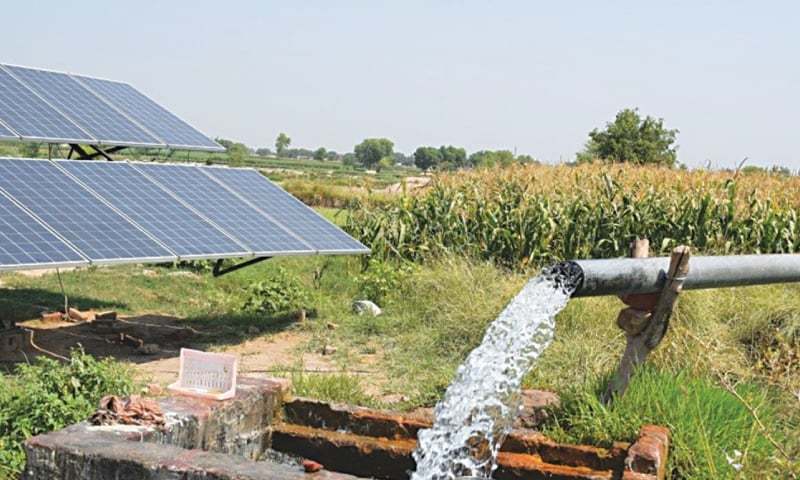
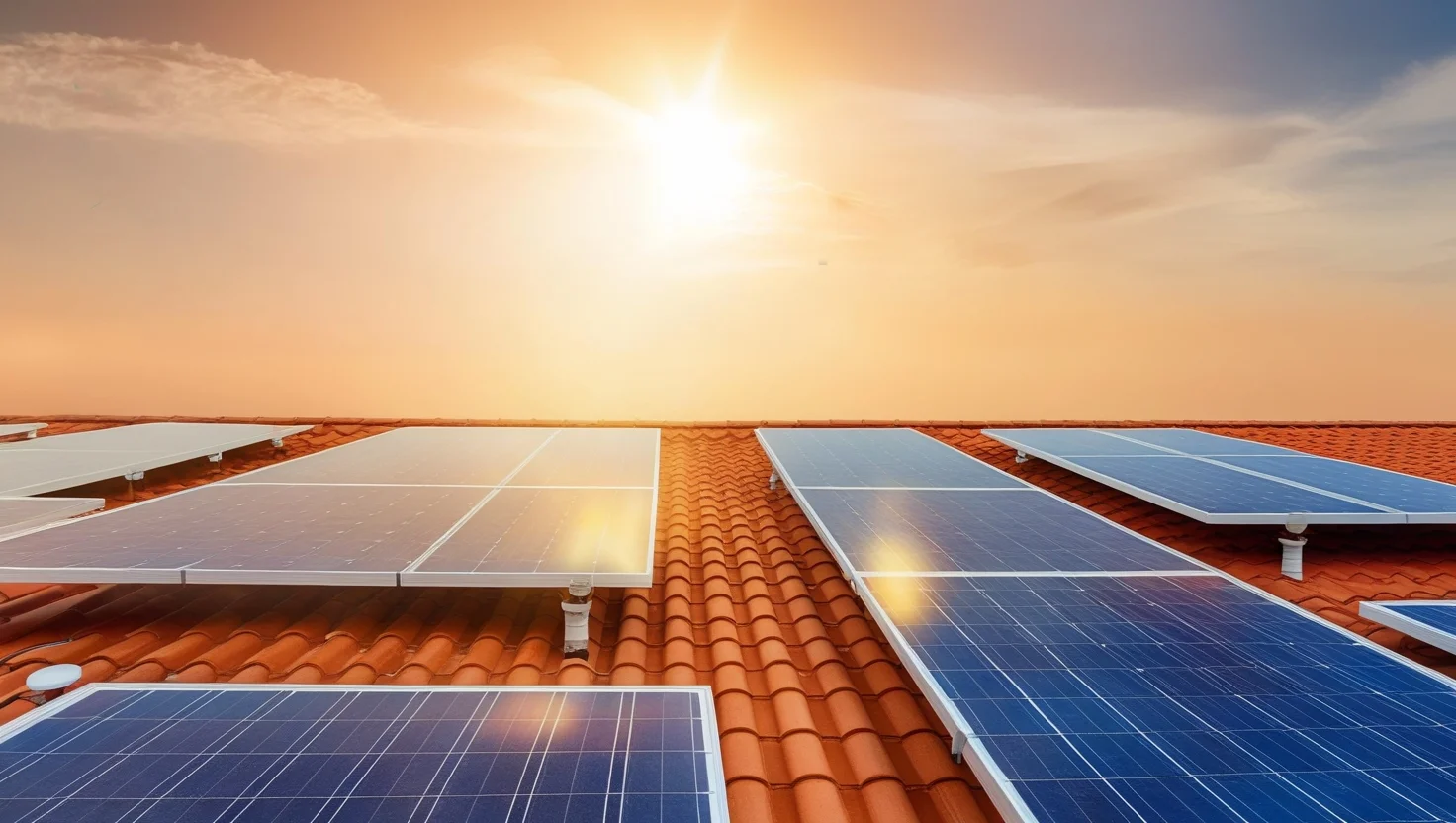
Pakistan’s solar energy sector has entered a period of remarkable growth, fueled by rising electricity costs, improved government policies, and increasing awareness among businesses and households. Rooftop solar adoption, large-scale solar parks, and net metering initiatives have made solar a practical and affordable alternative for millions of Pakistanis.
This bulletin explores the current trends, government incentives, challenges, and future outlook for Pakistan’s solar energy market in 2026.
Rooftop Solar Adoption on the Rise
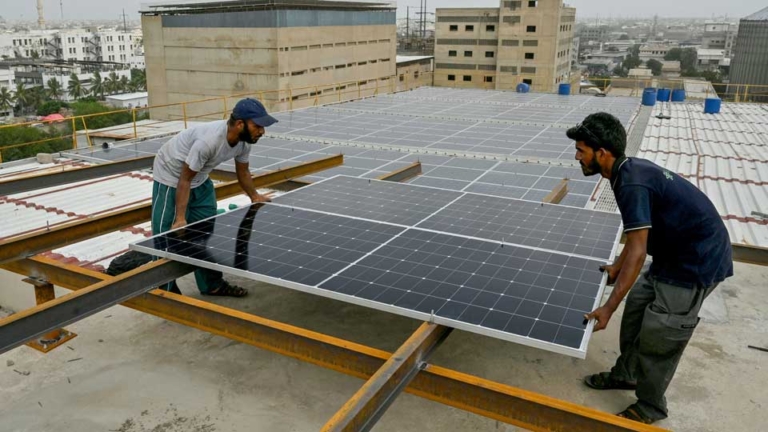
Rooftop solar systems have become increasingly popular in urban and semi-urban areas. Residential consumers are seeking ways to reduce electricity bills while contributing to a greener environment.
Key drivers of rooftop solar adoption include:
- Falling solar panel prices due to global supply and local manufacturing
- Attractive net metering policies allowing consumers to sell excess energy
- Rising awareness about climate change and environmental responsibility
According to industry reports, Pakistan has witnessed a 35% year-on-year increase in rooftop solar installations. Cities like Karachi, Lahore, Islamabad, and Faisalabad are leading in adoption rates.
Government Policies and Net Metering Incentives
Government support has been a major factor in driving solar growth. Net metering programs allow households and businesses to feed unused electricity into the national grid, reducing energy costs.
Recent policy updates include:
- Simplified net metering application process for residential consumers
- Incentives and tax benefits for solar panel installation
- Subsidies for commercial and industrial solar projects
The Alternative Energy Development Board (AEDB) and NEPRA continue to monitor net metering regulations, aiming to balance grid stability with renewable energy promotion.
Analysts highlight that effective policy implementation is critical to maintaining investor confidence and ensuring the long-term success of solar adoption in Pakistan.
Large-Scale Solar Projects and Solar Parks
In addition to rooftop systems, several large-scale solar parks have been approved or are under construction across the country. Notable examples include:
- Quaid-e-Azam Solar Park expansion in Bahawalpur
- Government-backed industrial solar clusters in Punjab and Sindh
- Private-sector solar farms with capacities of 50–100 MW
These projects not only contribute to national electricity generation but also create employment opportunities, promote local solar component manufacturing, and attract foreign investment.
Challenges Facing Solar Growth in Pakistan
Despite encouraging growth, the sector faces several challenges:
- High upfront costs for quality solar equipment
- Grid integration issues due to insufficient infrastructure
- Policy uncertainty affecting investor confidence
- Limited technical expertise for installation and maintenance
- Awareness gaps in rural and semi-urban areas
Industry experts stress that addressing these challenges requires coordinated efforts from the government, private sector, and educational institutions.
Role of Private Sector and Technology Innovation
Private companies have been instrumental in promoting solar adoption. Innovative financing solutions, such as solar leasing and pay-as-you-go models, are helping consumers overcome upfront cost barriers.
Technological advancements, including higher-efficiency solar panels, smart inverters, and energy storage systems, are also enabling more reliable and cost-effective solar solutions.
Collaborations between local manufacturers and international technology providers are helping Pakistan stay aligned with global solar trends.
Environmental and Economic Impact
The expansion of solar energy contributes to both environmental sustainability and economic stability. Key impacts include:
- Reduction in carbon emissions and air pollution
- Diversification of energy mix and reduced reliance on imported fuels
- Savings for consumers on electricity bills
- Employment creation and skill development in solar technology
Renewable energy experts predict that solar could supply 15–20% of Pakistan’s electricity demand by 2030 if growth continues at the current pace.
Future Outlook and Policy Recommendations
For Pakistan to fully leverage its solar potential, experts recommend:
- Strengthening net metering regulations and grid management
- Promoting local solar manufacturing to reduce import dependency
- Expanding awareness campaigns in rural areas
- Providing incentives for hybrid systems with energy storage
With coordinated planning and consistent policy support, Pakistan’s solar sector can play a pivotal role in meeting the country’s growing energy demand sustainably.