Pakistan’s energy sector is currently passing through a critical and transformative phase. Rising electricity costs, increasing demand, pressure on the national grid, and rapid growth in solar energy have forced policymakers and industry stakeholders to rethink long-term strategies. Recent months have seen important developments in power tariffs, net metering regulations, renewable energy expansion, and government-led reforms aimed at stabilizing the sector.
This energy bulletin highlights the most important trends, policy signals, and structural challenges shaping Pakistan’s power and energy landscape in 2026.
Rising Electricity Demand and Grid Pressure
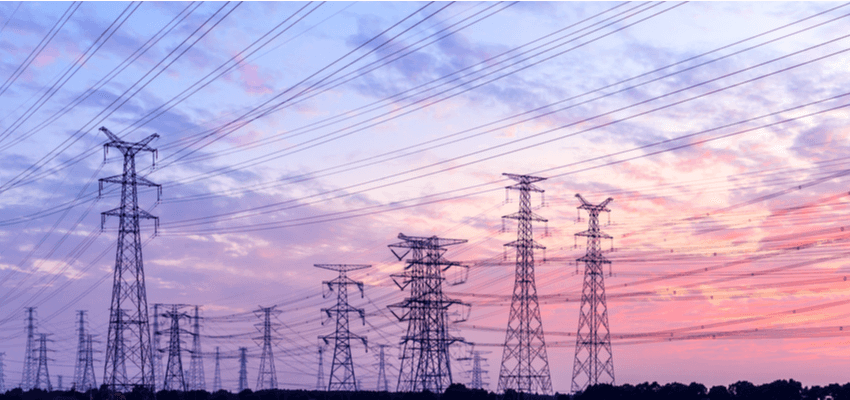
Pakistan’s electricity demand continues to rise due to population growth, urban expansion, and increased industrial activity. During peak summer months, demand often crosses critical thresholds, putting immense pressure on the national grid.
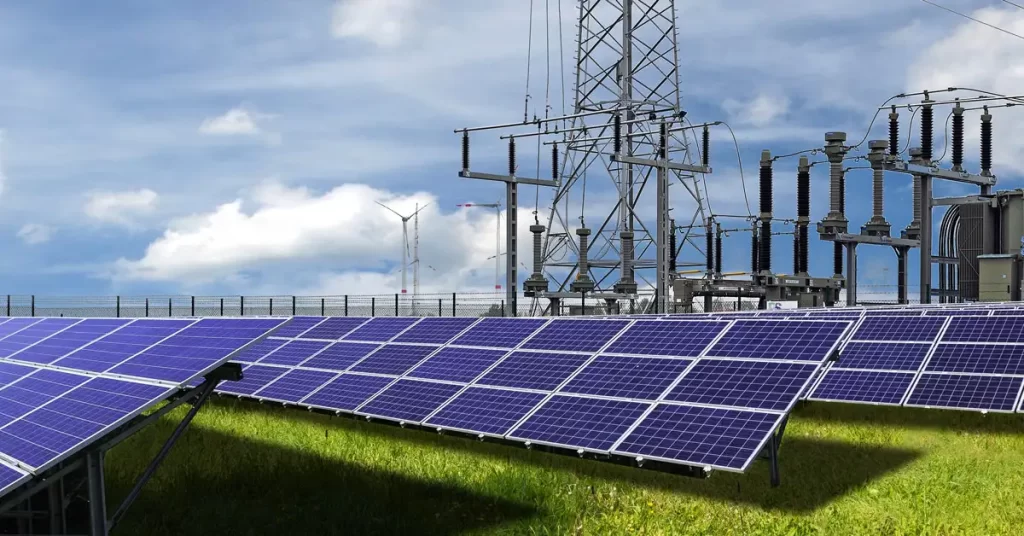
Distribution companies (DISCOs) face recurring issues such as line losses, outdated infrastructure, and capacity constraints. These challenges frequently result in load management measures, especially in high-demand regions.
Experts believe that without urgent grid modernization and better demand forecasting, the power sector will continue to face supply-demand imbalances.
Solar Energy Expansion and Net Metering Impact
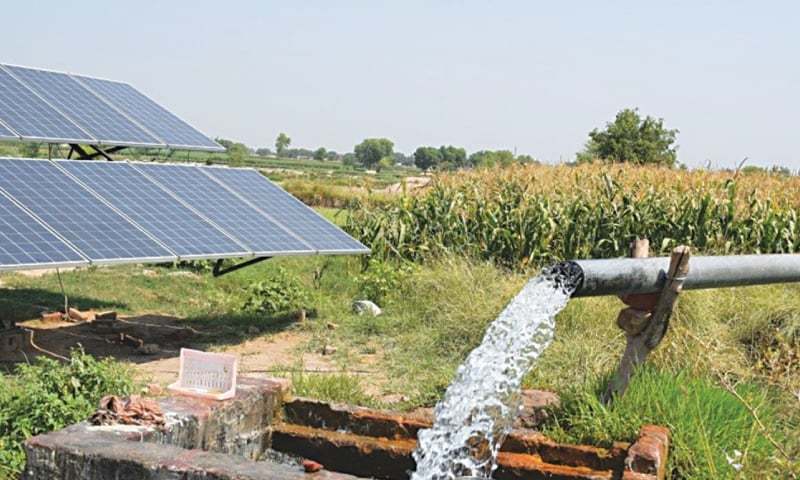
One of the most significant developments in Pakistan’s energy sector is the rapid adoption of rooftop solar systems. High electricity tariffs and falling solar panel prices have encouraged households and businesses to shift toward self-generation.
Net metering has played a key role in this transition. Thousands of consumers are now feeding excess electricity back into the grid, reducing pressure on power generation during daytime hours.
However, policymakers are reviewing net metering policies to address concerns related to revenue loss for distribution companies and grid stability. Industry stakeholders emphasize the need for balanced reforms that support renewable growth while maintaining grid sustainability.
Government Reforms in the Power Sector
The government has intensified efforts to reform Pakistan’s power sector, focusing on reducing circular debt, improving governance, and restructuring state-owned entities.
Key reform areas include:
- Renegotiation of power purchase agreements
- Reduction of capacity payments
- Improved billing and recovery mechanisms
- Privatization or outsourcing of underperforming DISCOs
Officials have stated that long-term sustainability cannot be achieved without structural changes and improved accountability across the sector.
Circular Debt Remains a Major Challenge
Despite reform efforts, circular debt continues to burden Pakistan’s energy economy. Delayed payments across the supply chain—from consumers to DISCOs and power producers—create financial bottlenecks that affect operations and investment confidence.
Energy analysts suggest that controlling losses, improving collections, and aligning tariffs with actual costs are essential steps to slow down the growth of circular debt.
Without decisive action, the financial pressure may limit future energy investments and infrastructure upgrades.
Role of Renewable Energy in Long-Term Planning
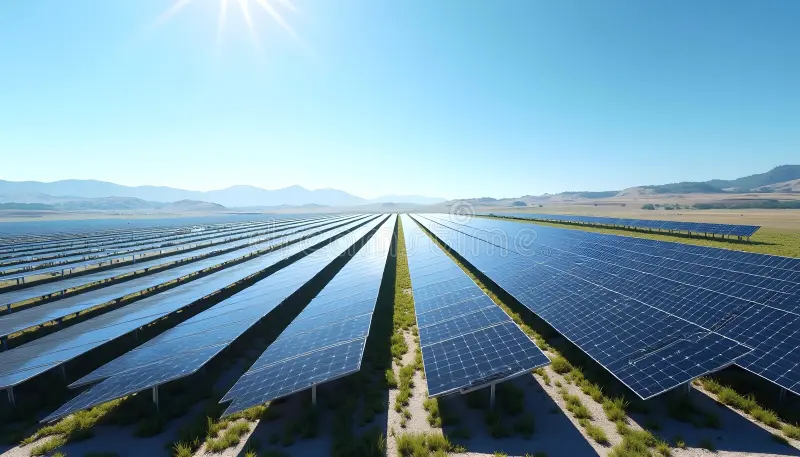
Renewable energy is increasingly viewed as a strategic solution for Pakistan’s long-term power needs. Solar, wind, and hydropower projects offer lower operating costs and reduced dependence on imported fuels.
Government planners are gradually shifting focus toward indigenous and clean energy resources. Several large-scale renewable projects are under review, particularly in solar-rich and wind corridor regions.
Industry experts stress that renewable integration must go hand in hand with grid upgrades, storage solutions, and clear policy frameworks.
International Energy Trends and Local Impact
Global energy markets continue to influence Pakistan’s power sector. Fluctuations in fuel prices, international climate commitments, and renewable technology advancements shape local decision-making.
Pakistan’s participation in international climate initiatives has increased pressure to reduce carbon emissions and expand clean energy capacity. This global alignment is likely to accelerate renewable investments and policy shifts in the coming years.
Industry Outlook and Expert Analysis
Energy experts agree that Pakistan stands at a crossroads. The decisions taken today—regarding tariffs, renewable integration, and governance reforms—will determine the sector’s stability for decades.
While challenges remain, there is cautious optimism that consistent policies, private sector participation, and technological innovation can gradually improve performance and reliability.